
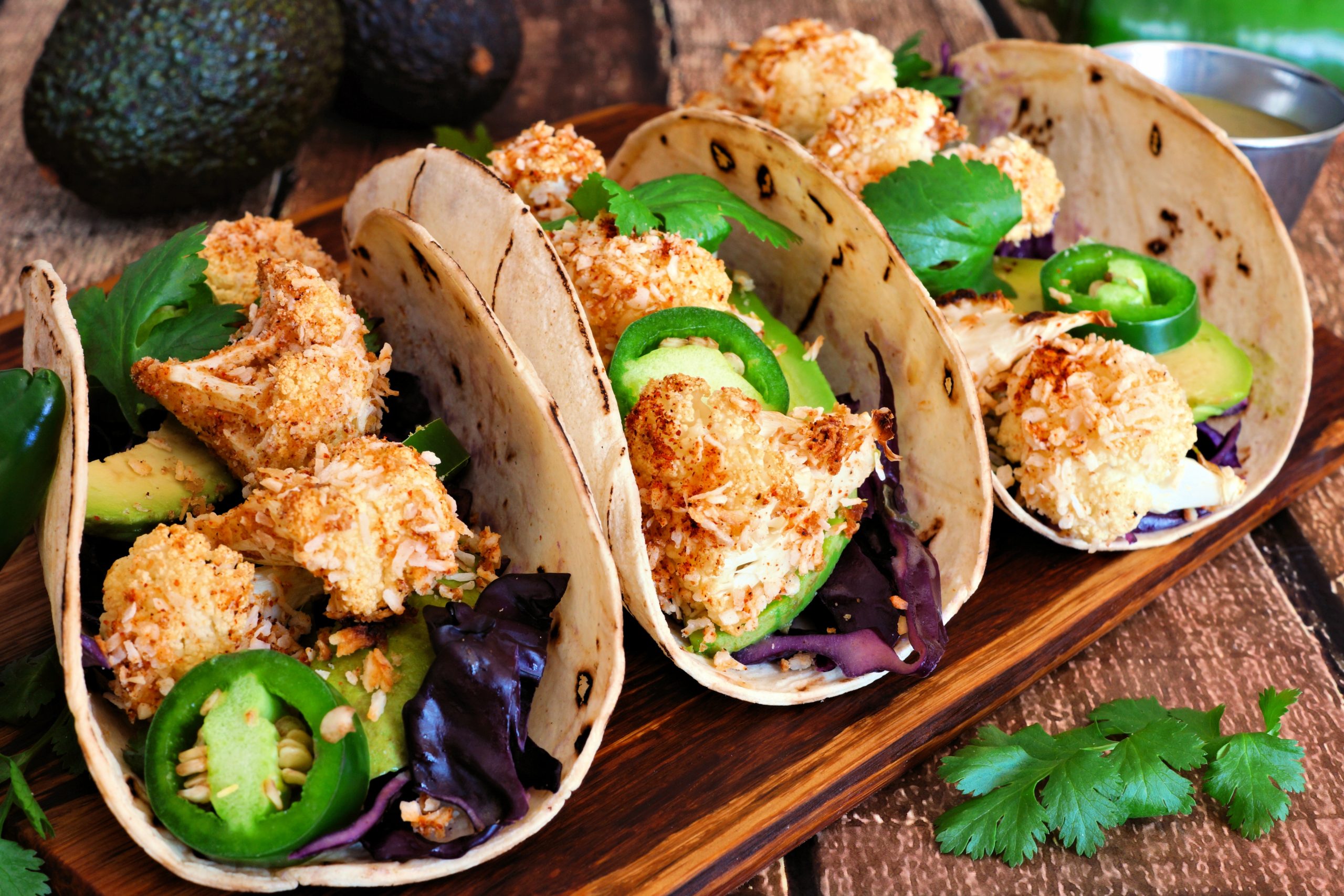
With the month of Veganuary well underway and the huge amount of media attention surrounding the recently held COP26 climate change conference, it has got me thinking about the growing trend for sustainability in the food industry.
According to the recent Intergovernmental Panel on Climate Change report, every region on earth is experiencing climate change. The report estimates that the chances of avoiding crossing the global warming level of 1.5°C or even 2.0°C in the coming decades will be impossible without immediate large-scale reductions in greenhouse gas emissions.
When global leaders met in Scotland to discuss how we can all work together to combat climate change, sustainability in the food industry was one of the biggest topics.
It’s no secret that food production is one of the largest contributors to global greenhouse gases, with researchers estimating that it contributes some 37% of global greenhouse gases and animal-based foods contributing around twice the amount of emissions of plant-based ones.
With the environment at the forefront of many consumers’ minds, many are turning to plant-based diets and sustainable food brands, while also becoming increasingly aware of the provenance of their food.
According to the Co-op’s 2021 Ethical Consumerism Report, last year there was a 34% increase in plant-based food and drinks. Whilst plant-based meat alternative products still only make up about 2% of the market, it is a growing sector.
Increasingly, such products are not just aimed at vegetarians and vegans, but meat-eaters keen on diversifying their food choices and ensuring balanced diets. However, it is not just the meat industry that is being disrupted by plant-based products; there is a growing trend for plant-based fish alternatives as well.
Further, cell-based meat products (meats grown in a lab) are also set to gain increased traction in the coming years as the technology evolves. For example, the Israeli company Aleph Farms has recently announced its first cell-grown minute steak. The clean meat organisation states it replicates the “shape, texture and flavour of a steak.” I’ll reserve judgement until I try one!
Increased choice
You will have undoubtedly noticed that supermarkets are increasingly diversifying their plant-based product offerings to meet this growing demand for sustainability and meat-free products. Many traditional meat dishes from Chicken Kievs to Spaghetti Bolognese now have meat-free alternatives, and there is a move to have such products next to the meat varieties instead of hived off in ‘meat-free’ zones.
But it’s not just the final product that must be green; it’s the entire supply chain. As such, supply chains will also need to change and work to find more sustainable and less water-intensive crops. Algae, seaweed, duckweed, hemp, spelt, heff and water lentils are all areas of interest and growth. So too are alternatives to chemicals traditionally used by farmers and suppliers have begun enabling farmers to replace mineral fertiliser with environmentally friendly alternatives.
Sustainable supply chains need fostering to reduce waste and carbon footprints. Technology from farming, through the supply chain, to product development and sales and marketing will be central in pivoting to a more sustainable food market and consumer consumption landscape.
Consumers are more eco-aware and the UK has set a target to reach net-zero emissions by 2050. It means those in the food industry must not only diversify but clearly communicate their sustainability credentials to consumers if they are to thrive in a world that is shifting faster than ever before to one that is greener, cleaner, and increasingly meat-free.
Are you thinking of – or are you already – embracing a meat-free diet? Connect with me on LinkedIn and share your thoughts.